
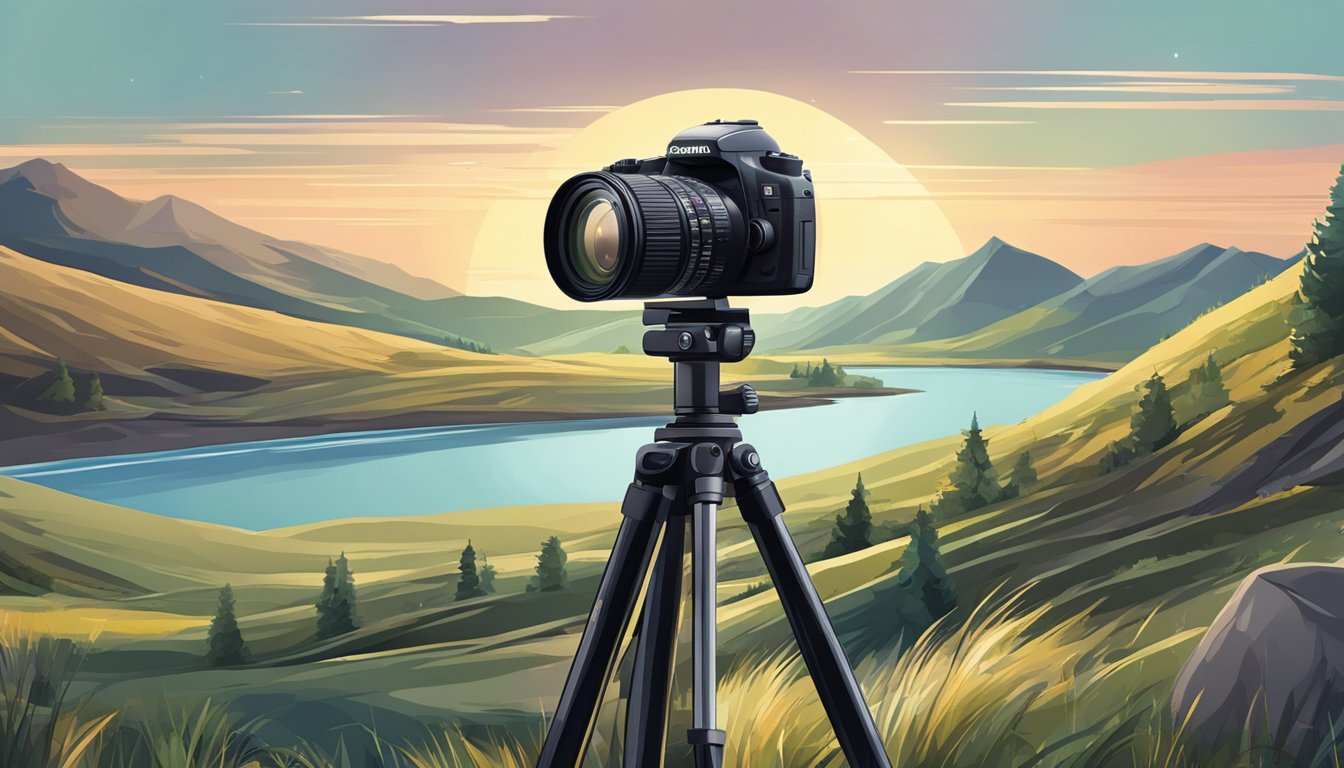
Imagine capturing the perfect sunset, the vibrant hues painting the sky, and the serene landscape unfolding before your eyes. You raise your camera to seize the moment, but something’s missing—the stability to ensure a crisp, clear shot.
This is where a good photography tripod becomes your trusty companion. But what makes a tripod truly indispensable? It’s not just about holding your camera; it’s about enhancing your photography experience. As you delve into the world of tripods, you’ll discover how the right choice can elevate your skills, providing the foundation for sharper images, creative angles, and prolonged exposures.
Stay with us, and you’ll learn the key features that transform a basic tripod into an essential tool for every photographer. Ready to unlock the secrets to capturing flawless photos? Let’s dive in!
Credit: proedu.com
Stability And Support
Photography trips demand the right equipment for perfect shots. A reliable tripod ensures stability and support. The tripod keeps your camera steady, allowing for sharp images. It prevents camera shake, especially during long exposure shots. Let’s explore the key features of a good photography tripod.
Weight Capacity
A tripod’s weight capacity is crucial for stability. It must support your camera’s weight. Consider your camera and lens combination. A tripod with a higher weight capacity offers better support. This ensures your gear remains stable during shoots.
Leg Locks And Mechanisms
Leg locks are vital for a tripod’s stability. They secure the tripod’s legs in place. Quick-release mechanisms save time during setup. Twist locks offer smooth adjustments. Choose a tripod with reliable leg locks for hassle-free photography.

Credit: www.amazon.com
Material And Build
Choosing the right tripod is crucial for photographers. The material and build of a tripod play a significant role in its performance. They affect its weight, stability, and longevity. Understanding these aspects helps in making a better choice.
Aluminum Vs. Carbon Fiber
Aluminum tripods are popular for their affordability. They offer good stability and are heavier. This heaviness provides more balance in windy conditions. Aluminum is a great choice for beginners. Carbon fiber tripods are lighter and more portable. They absorb vibrations better than aluminum. This material is perfect for travel photographers. Carbon fiber offers superior strength without the extra weight. This makes it suitable for long hikes.
Durability And Weather Resistance
Durability is key for outdoor photographers. A good tripod withstands various weather conditions. Aluminum is robust but can corrode in salty environments. Carbon fiber is more resistant to corrosion. It is ideal for beach or wetland shooting. Look for tripods with weather-sealed legs. These seals protect against dust and moisture. A sturdy build ensures long-lasting performance.
Height And Adjustability
Height and adjustability are crucial factors in a good photography tripod. A tripod’s height affects your photo composition and comfort. Adjustability allows you to capture various angles and perspectives. Let’s explore these features to help you choose the right tripod for your needs.
Minimum And Maximum Heights
A tripod’s height range determines its versatility. The minimum height is vital for low-angle shots. It helps you take photos close to the ground or of small subjects. Maximum height lets you capture elevated perspectives. This is useful for landscapes or when shooting over crowds. Ensure the tripod suits your typical shooting environments.
Center Column Features
The center column of a tripod offers additional height adjustments. Some tripods have removable or reversible center columns. These features enhance flexibility in framing your shots. Removable columns allow for lower shooting angles. Reversible columns are great for macro photography. Consider these features for diverse photography needs.

Credit: www.ulanzi.com
Portability
Photography enthusiasts know the importance of a reliable tripod. One key feature to look for is portability. A portable tripod makes travel easier and hassle-free. Whether hiking through forests or bustling city streets, a portable tripod adapts to every situation.
Compactness And Weight
A good tripod should be compact. It fits well in backpacks without taking up too much space. Lightweight materials like aluminum or carbon fiber are ideal. They keep the tripod light while maintaining strength. Heavy tripods can be a burden on long journeys. Lightweight tripods help you travel longer without fatigue.
Ease Of Transportation
Transporting a tripod should be simple. Look for designs with collapsible legs. They make packing effortless. Some tripods come with carrying cases. Cases offer protection and convenience. Quick-release mechanisms enhance setup speed. You spend more time shooting and less time adjusting. A tripod that’s easy to transport ensures you capture every moment.
Head Type And Compatibility
Choosing the right tripod head is crucial for photography. It affects stability and ease of use. The head type and compatibility can make a difference. It can impact your overall shooting experience. Let’s explore two common head types. Also, we’ll look at quick release systems.
Ball Head Vs. Pan-tilt Head
A ball head is versatile and easy to use. It offers smooth movement in all directions. Photographers enjoy its quick adjustments. A pan-tilt head allows precise control over each axis. It’s ideal for landscape or architectural shots. Each head type has its own benefits. Choose based on your photography style and needs.
Quick Release Systems
Quick release systems save time in the field. They allow fast mounting and dismounting of your camera. Compatibility is key for these systems. Ensure your camera fits the tripod plate. Quick release systems can vary in design. Some are more secure than others. Always check the locking mechanism. It should hold your camera firmly in place.
Ease Of Use
Choosing a good photography tripod involves considering its ease of use. Lightweight design ensures portability for outdoor shoots. Quick-release mechanisms simplify camera attachment, making setup swift and stress-free. Adjustable legs offer stability on uneven surfaces, enhancing your shooting experience.
When you’re out to capture the perfect shot, the last thing you want is to wrestle with a cumbersome tripod. Ease of use is a crucial factor that can make or break your photography experience. A good tripod should seamlessly blend into your creative process, allowing you to focus on what truly matters—capturing stunning images. But what exactly makes a tripod easy to use? Let’s delve into the details.
Setup And Breakdown Time
A tripod that sets up quickly and breaks down even faster is a photographer’s best friend. Imagine being in a breathtaking location with the perfect light, only to spend precious minutes fiddling with your gear. The ideal tripod should have quick-release mechanisms and intuitive locks that save you time. Lightweight materials like carbon fiber not only make carrying easier but also speed up assembly. You shouldn’t need a manual each time you set it up. Some tripods feature twist locks or lever locks that are both secure and easy to operate. A quick setup means more time shooting and less time preparing. Isn’t that what we all want?
User-friendly Features
Tripods with user-friendly features make your life easier. Features like a bubble level ensure your shots are perfectly aligned. Some models even have built-in spirit levels or markings for precise adjustments. Consider a tripod with a reversible center column for low-angle shots. This allows you to experiment with new perspectives effortlessly. A hook for additional weight can provide stability in windy conditions, proving invaluable during outdoor shoots. A tripod that caters to your needs can elevate your photography game. Do you find yourself frequently adjusting and readjusting? Look for models with easy-to-use adjustment knobs and flexible leg angles. Investing in a tripod that prioritizes ease of use can transform your photography outings. What would you like your next tripod to do for you?
Price And Value
Selecting a good photography tripod involves balancing price and value. Consider stability, weight, and material for lasting performance. A sturdy yet affordable tripod enhances photo quality without breaking the bank.
When you’re on the hunt for a photography tripod, balancing price and value can seem like a daunting task. You want to ensure you’re making a smart purchase, but the sheer number of options can be overwhelming. How do you determine if a tripod is worth its cost? Let’s dive into some key aspects of this crucial decision.
Budget Considerations
Setting a budget is your first step. Think about how often you’ll use the tripod and for what types of photography. If you’re a hobbyist who shoots occasionally, a basic model might suffice. These can range from $30 to $100 and still offer decent stability and features. For regular use or more demanding conditions, you might need to look at mid-range options. These typically cost between $100 and $300. They often offer better build quality and features like adjustable legs and quick-release plates. Consider if any additional accessories fit within your budget. A good tripod head, for example, can significantly improve your shooting experience and is sometimes worth the extra investment.
Long-term Investment
Think of your tripod purchase as a long-term investment. A sturdy, reliable tripod can last many years and support various cameras and lenses. Spending more upfront might save you from needing replacements or repairs. Consider the materials. Carbon fiber tripods are lightweight and durable, ideal for travel and outdoor shoots. Although they cost more, their longevity can offer good value over time. Reflect on your future photography ambitions. If you plan to upgrade your camera gear, investing in a higher-quality tripod now can save you from needing a new one later. Wouldn’t it be great if your tripod could grow with your skills and equipment? Ultimately, weigh the price against the potential value a tripod can add to your photography. Assess your needs, anticipate future requirements, and make a choice that aligns with your photography journey. What might seem like a splurge today could be the foundation of your photographic success tomorrow.
Frequently Asked Questions
What To Look For In A Good Tripod?
Choose a tripod with sturdy materials for durability. Ensure it has adjustable height and secure leg locks. Look for a lightweight design for portability. Verify it supports your camera’s weight and offers smooth panning. Consider compatibility with accessories like a quick-release plate for convenience.
What Mistakes Do Many Photographers Make With Tripods?
Photographers often set tripods on uneven surfaces, causing instability. They neglect to tighten knobs, leading to camera slippage. Many ignore weight limits, risking damage. Some forget to adjust leg angles for better balance. Improper height adjustments result in awkward shooting positions.
What Feature Of A Tripod Is The Most Important?
The most important feature of a tripod is stability. A stable tripod ensures sharp and clear photos. It prevents camera shake, especially in long exposures. Look for a tripod with adjustable legs and a solid build. Stability enhances the quality of your photography and videography.
How Much Should You Spend On A Tripod?
Tripod prices range from $20 to over $500. Choose based on budget, purpose, and required features. For casual use, $50-$100 offers quality options. Professional needs may require spending more for durability and specialized features. Consider materials, weight capacity, and brand reputation when deciding.
Conclusion
Choosing the right tripod enhances your photography experience greatly. Stability remains key for sharp images. Lightweight designs offer ease during travel. Consider adjustable heights for versatility. Quick-release plates save time during shoots. Durability matters, especially outdoors. Remember, a good tripod complements your camera.
It doesn’t need to be expensive. Check reviews before buying. Explore different options in stores. Test them for comfort and ease of use. Investing in a quality tripod pays off with clear photos. Happy shooting!