
Have you ever wondered what industry heating and cooling actually belongs to? It’s more than just keeping your home comfortable year-round.
When you turn on your air conditioner during a scorching summer day or crank up the heater in the dead of winter, you’re tapping into a complex network of systems and technologies. You’re not just adjusting a dial; you’re participating in a vital sector that keeps our lives running smoothly.
But what exactly goes on behind the scenes? Why is it so essential, and how does it impact your everyday life and even the environment? We’ll uncover the fascinating world of the heating and cooling industry. You’ll discover its significance, the innovations driving it forward, and why you should care about it more than you might think. Stay with us as we explore the ins and outs of an industry that keeps you comfortable all year long.
Credit: sbeodyssey.com
Industry Overview
The heating and cooling industry is a dynamic field that plays a crucial role in maintaining comfortable living and working environments. It encompasses a range of technologies and services designed to regulate temperature and air quality in buildings. Whether you’re at home, in an office, or at a retail store, the systems keeping you warm in winter and cool in summer stem from this essential industry.
Key Players
In the heating and cooling industry, several key players dominate the market. These include well-known manufacturers like Carrier, Trane, and Lennox. Each of these companies offers a variety of products such as air conditioners, heat pumps, and furnaces. They are known for their innovation and commitment to energy efficiency.
Local service providers also play a significant role. They are responsible for installing, maintaining, and repairing these systems. Their expertise ensures that your heating and cooling systems operate smoothly, providing comfort year-round.
Are you aware of the latest trends these companies are spearheading in energy-efficient solutions?
Market Size
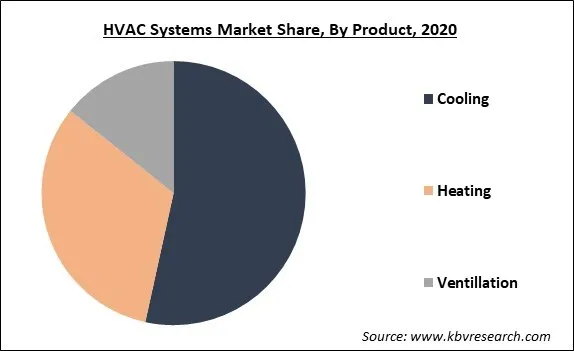
The heating and cooling industry is vast, with a substantial market size that reflects its importance in our daily lives. In recent years, the global HVAC market has been valued in the hundreds of billions, with forecasts predicting continued growth. This expansion is driven by increasing demand for energy-efficient systems and smart home technology.
Residential and commercial sectors contribute significantly to this market. As consumer awareness of environmental impact grows, so does the demand for green solutions that lower energy consumption and reduce carbon footprints.
What new technologies do you think will emerge as the market continues to grow?
Credit: www.kbvresearch.com
Technological Innovations
In the heating and cooling industry, technological innovations are constantly reshaping the landscape. These advancements are not only enhancing the comfort and efficiency of systems but are also paving the way for sustainable living. Imagine a world where your home learns your preferences and adjusts the temperature accordingly. It’s fascinating how these technologies are becoming integral to modern living, making our environments smarter and more energy-efficient.
Smart Systems
Smart systems in heating and cooling are revolutionizing the way we interact with our environment. With devices like smart thermostats, you can control your home’s temperature from anywhere using your smartphone. This technology adapts to your schedule, learning when to heat up or cool down your home, thus ensuring comfort while saving energy.
Have you ever considered how much time you spend adjusting your thermostat manually? Smart systems eliminate this hassle, providing convenience and peace of mind. Plus, they offer insights into your energy consumption patterns, helping you make informed decisions to reduce costs.
Energy Efficiency
Energy efficiency is at the core of technological innovations in this industry. Modern heating and cooling systems are designed to use less energy while delivering optimal performance. Energy-efficient systems can significantly lower your utility bills and reduce your carbon footprint.
Think about the impact of using outdated equipment—higher energy costs and environmental strain. Upgrading to energy-efficient models is not just a smart choice; it’s a necessity for sustainable living. These systems often come with features like variable speed motors and improved insulation, which enhance efficiency without compromising comfort.
How do you balance comfort with energy savings? The answer lies in choosing systems that align with your lifestyle and environmental goals. With the right technology, you can achieve both while contributing to a greener planet.
Regulatory Environment
Navigating the regulatory environment is crucial for the heating and cooling industry. Compliance ensures safe installation and operation of systems. Staying updated with regulations helps avoid penalties and enhances consumer trust.
The heating and cooling industry operates within a strict regulatory environment. Regulations ensure safety, efficiency, and environmental responsibility. This industry must comply with various standards and codes. These guidelines protect consumers and the environment. Understanding the regulatory landscape is crucial for businesses. It ensures they meet all legal requirements.
Standards And Codes
The industry follows specific standards for equipment safety. These standards prevent accidents and ensure reliability. Codes dictate the installation and maintenance processes. They ensure systems work efficiently. Compliance is mandatory for all industry players. It also reassures customers about product safety.
Environmental Impact
Environmental regulations play a key role. They focus on reducing emissions and energy consumption. The industry invests in eco-friendly technologies. This helps minimize the carbon footprint. Compliance with these regulations is essential. It aligns with global efforts to combat climate change.
Consumer Trends
In the heating and cooling industry, consumer trends are evolving. People want efficient systems that save energy and money. They care about the environment and seek sustainable options. Customization is also key. Buyers look for solutions that fit their specific needs and preferences.
Demand For Sustainability
Many consumers now prioritize eco-friendly choices. Energy-efficient systems are in high demand. They reduce utility bills and carbon footprints. Green technology is becoming more popular. Solar-powered units and geothermal systems are gaining traction. Customers want equipment that aligns with their values. Manufacturers are responding by offering greener products.
Customization Preferences
Personalization is vital in heating and cooling solutions. Consumers want systems tailored to their homes. Size, capacity, and design matter. Smart technologies offer personalized settings. Users can control temperature remotely. This flexibility appeals to tech-savvy buyers. Custom features ensure comfort and efficiency. Industry players focus on creating unique solutions for diverse needs.
Challenges And Opportunities
The heating and cooling industry is vital for comfort and efficiency. It faces both challenges and opportunities today. Understanding these can help businesses thrive and innovate.
Supply Chain Issues
Supply chain disruptions affect the heating and cooling sector. Delays in raw materials lead to production slowdowns. This impacts the availability of essential components. Companies must navigate these challenges to meet demand. Finding reliable suppliers is crucial for smooth operations.
Changing regulations also influence the supply chain. Compliance with environmental standards is necessary. This may require new technologies and materials. The industry must adapt to these shifts to remain competitive.
Growth Prospects
Despite challenges, growth prospects are strong. Rising global temperatures increase demand for cooling solutions. More homes and businesses seek energy-efficient systems. This trend opens new markets for innovation.
Advancements in technology drive industry growth. Smart thermostats and IoT devices enhance energy management. These innovations offer opportunities for businesses to expand their product lines.
Government incentives for energy efficiency boost market expansion. Businesses can tap into these incentives to reduce costs. This supports the adoption of green technologies in heating and cooling systems.
Future Outlook
The heating and cooling industry is set to grow with advancements in energy-efficient technology. Demand for sustainable solutions increases as climate change awareness rises. This shift opens opportunities for innovative HVAC systems, promising a dynamic future.
The heating and cooling industry is evolving. With technology advancing, this sector is poised for significant changes. Consumers seek energy-efficient solutions for comfort. Businesses aim to meet these demands with innovative products.
Emerging Technologies
The future of heating and cooling is exciting. Smart thermostats are gaining popularity. These devices learn user habits, optimizing energy usage. They reduce costs by adjusting temperatures automatically. IoT integration is also transforming the industry. Connected systems allow users to control heating remotely. This convenience improves user experience significantly. Another trend is the use of renewable energy sources. Solar-powered systems are becoming more common. They offer eco-friendly alternatives to traditional methods. Geothermal technology is another promising area. It uses the earth’s heat for efficient temperature regulation. These advancements promise a more sustainable future.
Market Predictions
The market for heating and cooling will expand. Analysts forecast growth driven by several factors. Increasing urbanization demands more residential systems. This trend supports industry development. Rising awareness of climate change impacts demand for greener solutions. Consumers prefer eco-friendly options, boosting market potential. Technological innovations also play a crucial role. As new products emerge, consumer interest rises. These innovations increase competitiveness among companies. Businesses that adapt quickly will thrive. Those embracing technology will lead the market. The focus on energy efficiency will continue to dominate. This priority shapes industry strategies and product offerings.

Credit: www.tejjy.com
Frequently Asked Questions
What Industry Is Hvac Services In?
HVAC services belong to the heating, ventilation, and air conditioning industry. This sector includes installation, maintenance, and repair of HVAC systems. It plays a crucial role in residential, commercial, and industrial settings, ensuring comfort and air quality. HVAC professionals work to optimize energy efficiency and system performance.
What Is The Heating And Cooling Trade Called?
The heating and cooling trade is known as HVAC. It stands for Heating, Ventilation, and Air Conditioning. HVAC professionals install, maintain, and repair systems that regulate indoor climates. This industry ensures comfort and air quality in residential and commercial spaces.
What Is The Title Of A Heating And Cooling Job?
The title of a heating and cooling job is HVAC Technician. HVAC stands for Heating, Ventilation, and Air Conditioning. These professionals install, repair, and maintain systems to ensure comfort and safety in buildings. They are skilled in handling various equipment and technologies related to climate control.
What Is Hvac In Industry?
HVAC in industry stands for Heating, Ventilation, and Air Conditioning. It regulates indoor climate for comfort and safety. HVAC systems control temperature, humidity, and air quality in industrial environments. Efficient HVAC systems improve energy efficiency and productivity in industrial operations.
Conclusion
The heating and cooling industry plays a vital role today. It ensures comfort in homes and workplaces. With changing climates, its importance grows even more. This industry offers diverse career opportunities. From installation to maintenance, there’s a job for everyone.
Investing in this field can be rewarding and stable. Technology advancements make systems more efficient. Energy-saving solutions are in high demand. Businesses and homeowners seek cost-effective options. The future looks promising for heating and cooling. This sector will continue to evolve and expand.
A crucial part of modern living. Essential for comfort and sustainability.