
Are you tired of the endless search for the perfect lens for your camera? Do you find yourself puzzled by the myriad of options and technical jargon?
You’re not alone. Choosing the right lens can feel like navigating a maze, especially when you’re met with terms like “mount compatibility” and “crop factor” at every turn. But what if you could unlock the secrets to finding the ideal lens that fits your camera effortlessly?
Imagine capturing those breathtaking shots you’ve always dreamed of, with clarity and precision. In this guide, we’ll break down everything you need to know in a simple, straightforward way. Get ready to transform your photography experience and make informed choices with confidence. Dive in to discover how to match lenses with your camera like a pro!
Camera Lens Mount Types
Understanding camera lens mounts is crucial for compatibility. Different cameras require specific mounts for lenses to fit. Check your camera’s specifications and the lens mount type to ensure perfect pairing.
Understanding the different types of camera lens mounts is crucial for photographers looking to expand their gear. The lens mount is the interface between the camera body and the lens. It determines which lenses can be used with your camera, ensuring compatibility and optimal performance. Let’s dive into the various lens mount types so you can make informed decisions about your photography gear.
Bayonet Mounts
Bayonet mounts are the most common type you’ll encounter in modern cameras. These mounts are named for their design, which resembles a bayonet fitting. They allow for quick and easy attachment of lenses through a simple twist-and-lock mechanism. This type of mount is popular because it provides a secure connection, reducing the risk of lens wobble. Brands like Canon’s EF and Nikon’s F-mount are well-known examples. Next time you’re at a camera store, try attaching a lens with a bayonet mount to feel how smoothly it clicks into place.
Screw Mounts
Screw mounts, also known as thread mounts, were more common in older cameras. They require you to screw the lens onto the camera body, similar to fastening a bolt. Although this process takes longer than using a bayonet mount, some photographers appreciate the precision and stability it offers. The Leica M39 and Pentax M42 are classic examples of screw mounts. If you ever come across vintage lenses, you’ll likely encounter these mounts. Have you ever tried using a screw mount lens? It can be a rewarding experience for those who enjoy the tactile engagement of photography.
Proprietary Mounts
Proprietary mounts are unique to specific camera brands and models. Manufacturers design these mounts to optimize the performance of their cameras. They often come with exclusive features tailored to the brand’s technology. Sony’s E-mount and Fujifilm’s X-mount are examples of proprietary systems. While these mounts ensure top-notch performance, they limit your lens options to those made by the same manufacturer. Are you loyal to a specific camera brand? If so, proprietary mounts might be perfect for you, offering a cohesive and reliable shooting experience. Understanding these mount types will empower you to choose lenses that fit your camera perfectly. When you know what fits, you can focus on capturing stunning images without worrying about compatibility issues.
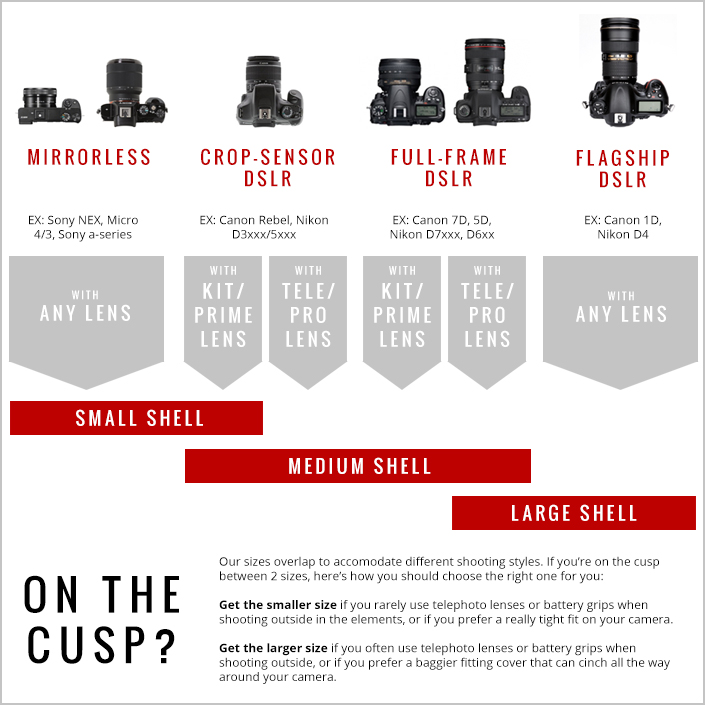
Credit: www.peakdesign.com
Matching Lens To Camera Body
Choosing the right lens for your camera is vital. It affects image quality and creative possibilities. Not all lenses fit every camera body. You must match the lens to your camera body. This ensures optimal performance and compatibility. Understanding specifications and compatibility charts helps make the right choice.
Reading Lens Specifications
Lens specifications provide essential information. They include focal length, aperture, and mount type. Focal length influences the zoom and perspective. Aperture affects depth of field and light entry. The mount type is crucial. It determines if the lens fits your camera. Always check the mount type first.
Checking Camera Compatibility Charts
Compatibility charts are useful tools. They list which lenses fit which cameras. Manufacturers provide these charts on their websites. They help you avoid mismatches. Find your camera model in the chart. Check the list of compatible lenses. This ensures you get the right lens for your camera.
Third-party Lenses
Choosing the right lens for your camera can be a thrilling adventure. Third-party lenses offer a world of exciting possibilities beyond the standard options. These lenses are manufactured by companies other than the camera brands themselves, providing unique features and often at a more affordable price. They can be an excellent choice for photographers looking to expand their creative horizons. But before you dive into the third-party lens market, it’s crucial to weigh the benefits and drawbacks.
Benefits And Drawbacks
Third-party lenses are often more budget-friendly compared to first-party options. This means you can try out different types of lenses without breaking the bank.
They also offer unique features that may not be available in your camera brand’s lineup. Imagine having a lens with a creative filter option that gives your photos a distinct look!
However, there are drawbacks to consider. Compatibility issues can arise, as these lenses may not perfectly fit or function with your camera. You might encounter problems with autofocus or image stabilization.
Additionally, the build quality can vary significantly. Some third-party lenses might not be as durable as their first-party counterparts.
Popular Third-party Brands
Several brands have established themselves as reliable third-party lens manufacturers. Sigma is known for its wide range of lenses that cater to different photography needs.
Tamron offers lenses that are praised for their versatility and quality, often competing closely with top-tier brands.
Tokina is another brand that provides unique lens options, particularly favored by landscape photographers. Their wide-angle lenses are a hit among those who love capturing vast sceneries.
Have you ever tried a third-party lens? Consider the stories of photographers who have stepped away from traditional choices and discovered hidden gems in the third-party world. It’s fascinating to see how these lenses can change your photography game.
Ultimately, the decision to use third-party lenses comes down to personal preference and the specific needs of your photography style. Are you ready to explore the diverse options available and find the perfect lens to fit your camera?

Credit: digital-photography-school.com
Adapters And Converters
Choosing the right lens for your camera can feel overwhelming. This is especially true with so many options available. Adapters and converters offer a solution. They allow you to use lenses that might not fit your camera. This expands your choices without needing to buy new lenses. Understanding these tools helps you make informed decisions.
Types Of Adapters
There are different kinds of adapters. The most common is a mount adapter. It connects lenses from different brands to your camera. Another type is the speed booster. It increases the light that hits the sensor. This enhances the lens’s performance. Each type serves a specific purpose. Knowing these can help you pick the right adapter.
Impact On Image Quality
Adapters can affect image quality. They might introduce slight changes or distortions. Some adapters can reduce sharpness. Others might cause vignetting. It’s important to test the adapter before purchasing. High-quality adapters often minimize these effects. Always check reviews and user feedback.
Considerations For Mirrorless Cameras
Mirrorless cameras have become increasingly popular due to their compact size and impressive capabilities. But when it comes to choosing the right lenses, there are unique considerations to keep in mind. Unlike traditional DSLR cameras, mirrorless models offer more flexibility with lens compatibility. This opens up a world of options, but it can also be a bit daunting. How do you make the best choice for your photography needs?
Mount Adapters For Mirrorless
One of the greatest advantages of mirrorless cameras is the ability to use mount adapters. These adapters allow you to fit lenses from different manufacturers onto your camera. Imagine being able to try out a vintage lens from a thrift shop or a high-end professional lens without being limited by brand compatibility. It’s like having a universal key that opens up creative possibilities. But, be mindful of potential compromises in autofocus speed or image stabilization when using adapters.
Lens Size And Weight
Mirrorless cameras are loved for their lightweight design, so it’s worth considering the size and weight of lenses. While it might be tempting to go for that big, powerful telephoto lens, ask yourself if you’re ready to lug it around all day. A personal story: I once hiked with a hefty lens thinking I’d capture breathtaking landscapes. I ended up with sore shoulders and fewer photos than planned. Balancing lens capability with portability can make your photography experience more enjoyable and spontaneous.
Choosing lenses for your mirrorless camera involves a mix of practicality and creativity. What are your priorities when selecting a lens? Is it versatility, weight, or the ability to experiment with different styles? Consider these factors to enhance your photography journey.
Expert Tips For Lens Selection
Choosing the right lens for your camera involves knowing the mount type and compatibility. Check the camera manual for specific details. Consider focal length and aperture to suit your photography needs.
Choosing the right lens for your camera can feel like a puzzle. With a vast array of options out there, how do you pick the right one? Understanding your needs and planning for the future can make lens selection easier and more effective. Let’s dive into some expert tips that will help you decide what lens fits your camera perfectly.
Assessing Your Photography Needs
Start by asking yourself what kind of photos you love taking. Are you drawn to capturing the vibrant colors of landscapes or the intricate details of portraits? Knowing your photography style helps narrow down your lens options. Consider the environment where you’ll be shooting. If you enjoy wildlife photography, a telephoto lens might be ideal. But if you love street photography, a compact prime lens could be your best friend. Reflect on your past experiences. Did you ever miss a great shot because of your lens limitations? Make a list of your top priorities in photography. This simple exercise can provide clarity on what features you should look for in a lens.
Investing In Future-proof Lenses
Think about the future—how do you envision your photography journey evolving? If you plan on exploring different styles, investing in versatile lenses can save you money in the long run. Consider lenses with a broader range of applications. A quality zoom lens can adapt to various situations, from family gatherings to distant landscapes. These lenses offer flexibility and prevent you from carrying multiple ones. Remember, technology is always advancing. Look for lenses that are compatible with future camera models from your brand. When I upgraded my camera, I was relieved to find that my lenses were still compatible. It saved me a significant amount of money and hassle. In the end, the right lens can elevate your photography experience. What lens will become your next favorite tool?
Common Mistakes To Avoid
Understanding which lenses fit your camera prevents frustration and wasted money. Check the camera’s mount type and compatibility. Avoid assuming all lenses work universally.
When shopping for lenses, it’s easy to get carried away with excitement. However, there are common mistakes many photographers make when trying to match lenses with their cameras. Knowing these pitfalls can save you time, money, and frustration. Let’s dive into a couple of these mistakes to help you make informed decisions.
Ignoring Crop Factor
One common mistake is overlooking the crop factor of your camera. This can lead to buying a lens that doesn’t deliver the expected field of view. Crop factor refers to how your camera sensor size affects the lens’s effective focal length. Imagine buying a 50mm lens for your APS-C camera, expecting a standard view. Instead, you get a tighter frame, similar to an 80mm on a full-frame camera. This might be perfect for portraits, but not what you wanted for landscapes. Always check your camera’s sensor size and adjust your lens choices accordingly. Ignoring crop factor can also affect depth of field. A cropped sensor can produce a deeper depth of field, impacting your creative choices. Understanding this can help you better plan your shots and select lenses that fit your vision.
Overlooking Lens Features
Another mistake is overlooking crucial lens features. Not all lenses have the same capabilities, and missing out on these can limit your photography. Consider features like image stabilization, autofocus speed, and aperture range. For instance, if you often shoot in low light, a lens with a wide aperture is essential. A friend of mine once bought a lens without considering this, struggling with dim images during indoor events. Don’t repeat this mistake. Evaluate your typical shooting conditions and choose lenses that complement them. Lens weight and build quality are other aspects often ignored. A heavy lens might not be ideal for long shoots or travel. Plus, lenses with weather sealing can offer peace of mind during outdoor adventures. What lens features are crucial for your photography style?
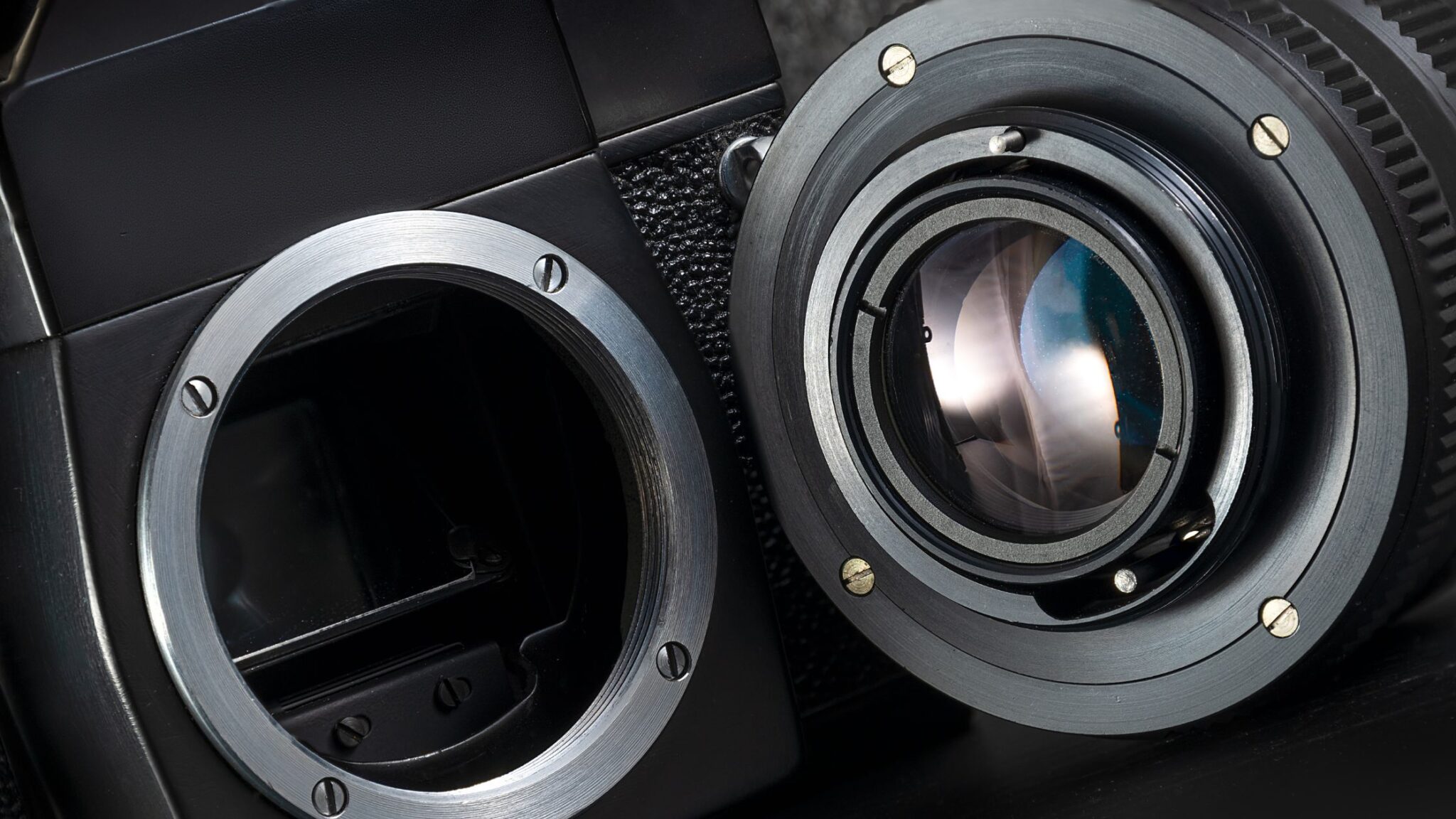
Credit: storyenvelope.com
Frequently Asked Questions
How Do I Know What Size Lens To Get For My Camera?
Check your camera’s compatibility and specifications to determine lens size. Consult the manual or manufacturer’s website. Consider focal length, aperture, and mount type for your photography needs. Visit local camera stores for expert advice and testing.
Can Any Lens Fit In Any Camera?
Not every lens fits every camera. Compatibility depends on the camera brand and mount type. Check your camera’s specifications to ensure proper fitting. Using an adapter can help, but may limit functionality. Always verify lens compatibility before purchasing to avoid issues.
How Do I Know What Type Of Lenses I Need?
Consult an optometrist to assess your vision needs. They will recommend lenses based on your prescription and lifestyle. Consider factors like vision correction, UV protection, and comfort. Research options like single-vision, bifocal, or progressive lenses. Ensure lenses align with your daily activities for optimal vision support.
Can Any Lens Fit On Canon?
Canon cameras require compatible lenses. EF, EF-S, RF, and EF-M lenses fit specific Canon models. Use lens adapters for other brands. Always check the lens mount compatibility before purchasing.
Conclusion
Finding the right lens for your camera is crucial. It enhances your photography. Check your camera model and mount type first. This ensures compatibility. Understand different lens types and their features. Consider your photography needs. Portraits, landscapes, or close-ups. Each has specific lens requirements.
Visit local camera stores. Ask for expert advice. Online forums can be helpful too. Practice with borrowed or rented lenses. Experiment to see what suits you best. Taking these steps will improve your skills. Capture stunning photos with the right lens.
Happy shooting!