
Are you standing in front of a dizzying array of camera lenses, wondering which one is the right fit for your beloved camera? You’re not alone.
Choosing the right lens can seem overwhelming, but it doesn’t have to be. Your camera is a powerful tool, and the right lens can unlock its full potential, transforming your photography from ordinary to extraordinary. Imagine capturing sharper images, richer colors, and more stunning details—all simply by choosing the perfect lens.
In this guide, you’ll discover simple yet effective tips to help you understand which lenses are compatible with your camera, so you can capture the world exactly as you envision it. Ready to elevate your photography game? Keep reading to find out how to make the perfect choice for your camera.
Credit: storyenvelope.com
Camera Lens Compatibility
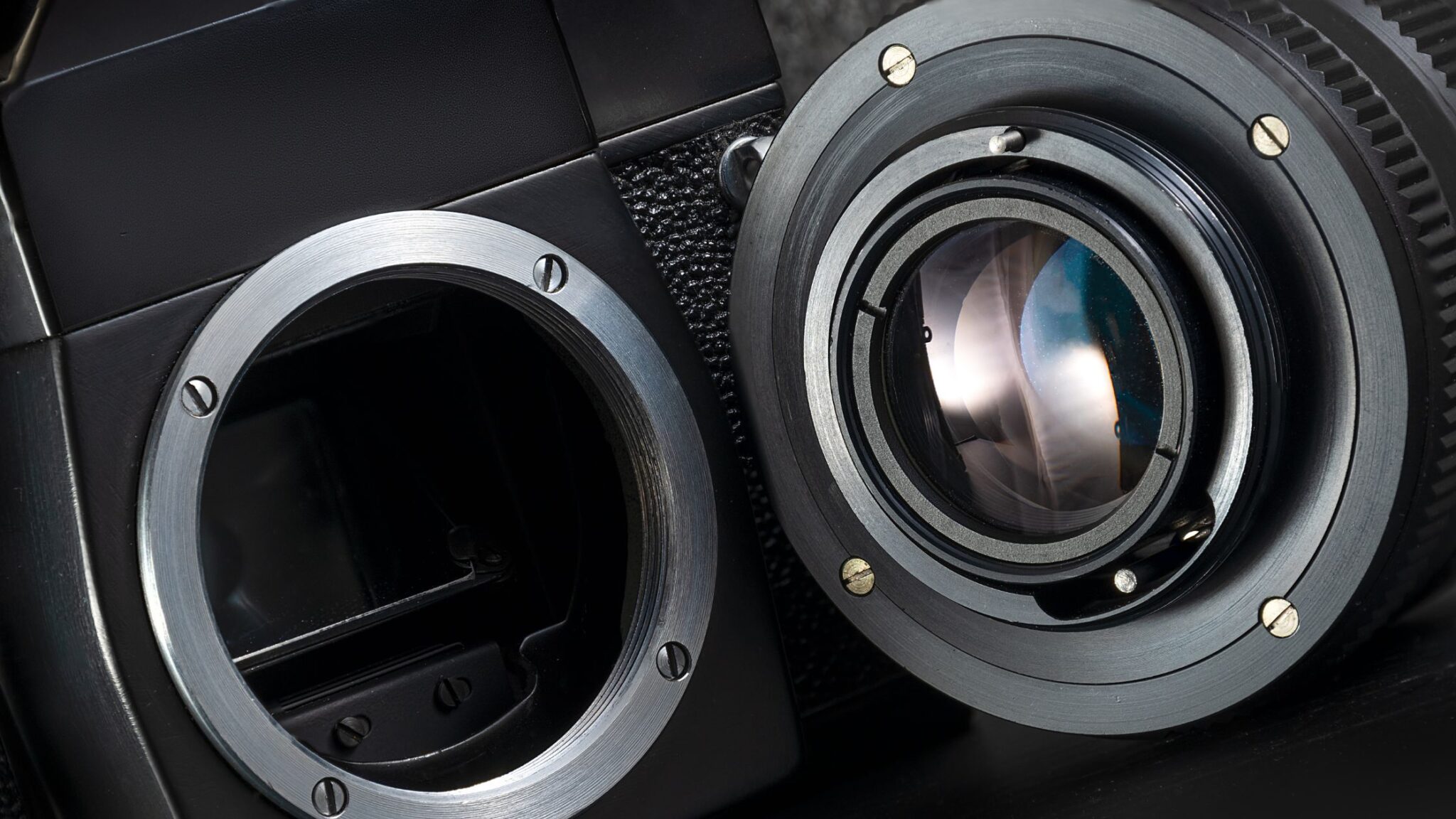
Identifying compatible camera lenses is crucial for capturing stunning photos. Check your camera’s mount type; this determines which lenses fit. Consult the manufacturer’s guide to explore options that enhance your photography.
Understanding camera lens compatibility is crucial for any photographer, whether you’re a newbie or a seasoned pro. Knowing which lenses fit your camera can significantly enhance your photography experience. Imagine capturing that perfect sunset with a lens that truly complements your camera’s capabilities. It’s like finding the missing piece of a puzzle. But how do you know which lens is compatible with your camera?
Understanding Camera Mounts
Camera mounts are your starting point. Each camera brand often has its own unique mount system. A Canon lens won’t directly fit on a Nikon body due to different mount designs. It’s essential to identify your camera’s mount type. Check your camera manual or the manufacturer’s website for details. Pay attention to the lens specifications. These include focal length, aperture, and lens type. Different lenses offer varied features like zoom or prime, wide-angle or telephoto. Choose based on your photography style. If you love landscape photography, a wide-angle lens might be your best friend.
Compatibility With Autofocus Systems
Not all lenses support your camera’s autofocus system. Especially if you’re using older lenses with newer camera models. Verify if the lens maintains full autofocus functionality with your camera. Sometimes, manual focus can be a rewarding option, but it’s nice to have the choice.
Exploring Lens Adapters
Lens adapters can broaden your options. They allow you to use lenses from different brands on your camera. However, using an adapter might affect functionality like autofocus or stabilization. Test it out and see if the trade-offs are worth the expanded lens selection.
Consulting Online Resources
The internet is your ally. Numerous forums and websites provide compatibility charts and user reviews. These resources can offer insights into which lenses work best with your camera model. Have you checked online photography communities for advice? They often hold a wealth of first-hand experiences.
Seeking Expert Advice
Sometimes, visiting a local camera shop can be enlightening. Experts there can provide personalized advice based on your camera model and photography needs. It’s a chance to ask questions and even try out lenses before making a purchase. Have you ever felt the thrill of testing a lens and instantly knowing it’s the one? Knowing your camera lens compatibility can open up a world of creative possibilities. What lens are you eyeing for your next photography adventure?
Types Of Camera Lenses
Choosing the right camera lens can feel like navigating a maze. With a myriad of lens types available, understanding their distinct features is crucial to capturing the perfect shot. Whether you’re aiming for breathtaking landscapes or detailed close-ups, knowing the types of camera lenses will guide you in selecting the best match for your camera.
Prime Lenses
Prime lenses have a fixed focal length, meaning they don’t zoom. They often offer superior image quality and perform exceptionally well in low light. Imagine capturing a crisp portrait with a creamy background; prime lenses excel at this thanks to their wide apertures. Their simplicity and lightweight build make them a favorite for everyday shooting. Do you want sharper images? Prime lenses might just be the answer.
Zoom Lenses
Zoom lenses provide flexibility with varying focal lengths. You can switch from capturing wide landscapes to detailed close-ups without changing the lens. This versatility makes them ideal for travel and events. Picture yourself at a concert, snapping the stage and the crowd with ease. However, they might not always offer the same image quality as prime lenses. Are you willing to trade a bit of sharpness for convenience?
Wide-angle Lenses
Wide-angle lenses are perfect for capturing expansive scenes. They have a short focal length, which allows more of the scene to be captured in the frame. Think about the last time you tried to capture a stunning skyline or a vast mountain range. Did you struggle to get it all in? Wide-angle lenses solve that problem effortlessly. Their ability to provide dramatic perspectives makes them a favorite among landscape and architecture photographers.
Telephoto Lenses
Telephoto lenses are great for zooming in on distant subjects. With longer focal lengths, they bring faraway objects close, making them indispensable for wildlife and sports photography. Picture capturing a bird in flight or a player on the field with remarkable detail. They are typically heavier and require a steady hand or tripod for the best results. Do you have the patience to master the art of using telephoto lenses effectively?
Understanding these lens types will empower you to make informed decisions. Each lens has its unique strengths and potential drawbacks. The key is to match your shooting style and needs with the right lens. So, which lens type speaks to your creative vision?
Lens Mount Systems
Understanding lens mount systems is crucial for choosing compatible lenses. The lens mount connects the camera body with the lens. Different brands use specific mount systems. Selecting the right one ensures optimal performance and image quality. Let’s explore some popular systems.
Canon Ef And Ef-s
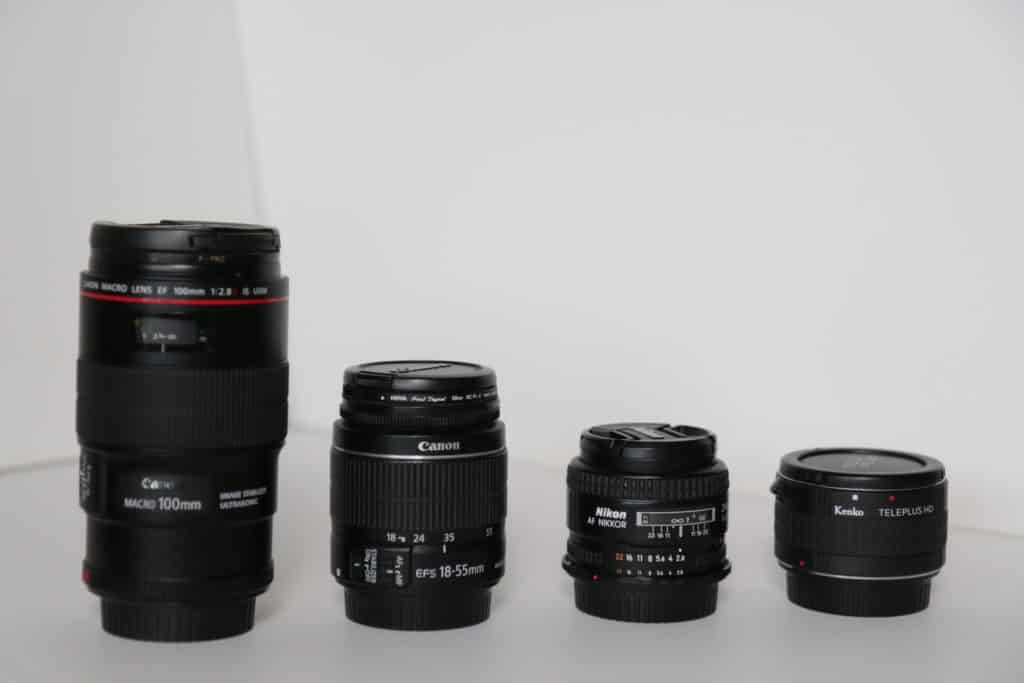
Canon uses two main mount systems: EF and EF-S. EF lenses fit full-frame and APS-C cameras. EF-S lenses are for APS-C cameras only. EF lenses offer wider compatibility. EF-S lenses are often lighter. They provide excellent image quality for smaller sensors.
Nikon F-mount
Nikon’s F-Mount is versatile. It supports a wide range of lenses. F-Mount has been in use since 1959. It fits both full-frame and crop sensor cameras. Look for AF-S lenses for autofocus features. They are popular among photographers for their reliability.
Sony E-mount
Sony E-Mount is modern and adaptable. It suits mirrorless cameras. It supports both full-frame and APS-C sensors. E-Mount lenses are compact and lightweight. They offer excellent performance for travel photography. Sony’s focus on innovation makes E-Mount lenses appealing.
Understanding Sensor Sizes
Choosing the right lens depends on your camera’s sensor size. Match lenses marked for your camera’s sensor. Full-frame lenses suit full-frame sensors, while APS-C lenses are for smaller sensors. Reading your camera manual helps identify compatible lenses.
Understanding sensor sizes is key in selecting the right camera lenses. Different sensor sizes impact how lenses perform. They influence image quality, depth of field, and field of view. Let’s explore how full-frame, crop, and micro four thirds sensors affect lens compatibility.
Full-frame Sensors
Full-frame sensors are the same size as 35mm film. They offer a wide field of view. This size captures more light, improving image quality. Lenses designed for full-frame sensors provide a natural perspective. They are ideal for professional photography. These sensors excel in low-light conditions. They produce sharper images with less noise. Full-frame lenses tend to be larger and heavier. They often come with a higher price tag.
Crop Sensors
Crop sensors are smaller than full-frame sensors. They are common in many DSLR cameras. The smaller size leads to a crop factor. This crop factor affects the field of view. For example, a 50mm lens acts like a 75mm lens. Crop sensors can make distant subjects appear closer. They are great for wildlife and sports photography. Lenses for crop sensors are usually lighter. They are often more affordable, too.
Micro Four Thirds
Micro four thirds sensors are even smaller. They offer a 2x crop factor. This results in a more compact camera system. Micro four thirds lenses are lightweight and portable. They suit travel and street photographers. Despite the small size, they deliver high image quality. These sensors provide excellent depth of field control. The variety of lenses available is impressive. Micro four thirds systems are versatile and user-friendly.
Checking Lens Specifications
Choosing the right lens can transform your photography. Understanding lens specifications is crucial. Each specification influences how your images turn out. Let’s explore some key specifications. These will guide you in selecting the perfect lens for your camera.
Focal Length
Focal length determines how much of a scene your lens captures. It affects the magnification of distant objects. Shorter focal lengths capture wider scenes. Longer focal lengths zoom into details. Check if your lens fits your preferred photography style.
Aperture
Aperture controls the amount of light entering the lens. It impacts the depth of field in your images. A larger aperture creates a shallow depth of field. This makes the background blur. Smaller apertures keep more of the scene in focus. Choose a lens with an aperture that suits your lighting conditions.
Image Stabilization
Image stabilization reduces blurring from camera shake. It helps in low light and when using long focal lengths. Look for lenses with built-in stabilization. This feature enhances your ability to capture sharp images. Especially useful for handheld shooting.
Credit: storyenvelope.com
Using Lens Adapters
Lens adapters help you match different lenses with your camera. Check your camera’s mount type for compatibility. This ensures you choose the right adapter and lens combination.
Are you overwhelmed by the array of lenses available for your camera? You’re not alone. Many photographers, both beginners and pros, find themselves wondering which lens works best for their camera. Here’s where lens adapters come into play. They allow you to use lenses that weren’t specifically designed for your camera body. This opens a world of possibilities, giving you access to different brands and types of lenses. But how do you decide if using a lens adapter is the right choice for you?
Benefits And Limitations
Using lens adapters has its benefits. You can access a vast array of lenses, especially if you’re into vintage or specialty lenses. Imagine pairing a modern digital camera with a classic lens from the film era. This combination can lead to unique image characteristics and artistic flair. However, lens adapters aren’t without their limitations. Some may affect autofocus speed or not support it at all. Others might impact image quality by introducing vignetting or distortion. You might have to adjust settings manually, which can be a learning curve for some. Always weigh these pros and cons before making a decision. Have you ever tried using an adapter? What was your experience like?
Popular Adapters
In the world of lens adapters, some brands stand out for their reliability and performance. Metabones is renowned for its high-quality adapters, especially for those transitioning between Canon and Sony systems. Their adapters often retain autofocus and stabilization features, which is a significant advantage. Fotodiox offers a more budget-friendly option with a wide range of adapters. They support many camera and lens combinations, making them a popular choice for hobbyists. Then there’s Novoflex, known for their precision and durability. They tend to be on the pricier side but offer excellent build quality. Consider your budget and what features are essential for you when choosing an adapter. Whether it’s maintaining autofocus or using a vintage lens, there’s likely an adapter that fits your needs. What’s the most unexpected lens and camera combination you’ve come across?
Consulting Brand Guidelines
Discovering compatible lenses for your camera involves checking the camera mount type. Lens compatibility ensures optimal performance and enhances your photography experience. Always refer to your camera’s manual or manufacturer’s website for guidance.
When you’re trying to find the right lenses for your camera, consulting brand guidelines can be a game-changer. Whether you’re new to photography or have years of experience, understanding these guidelines can help you make informed decisions. They provide essential information about lens compatibility, ensuring you don’t invest in a product that won’t work with your camera.
Official Websites
Brand websites are a treasure trove of information. Manufacturers often list compatible lenses for each camera model, making it easy for you to find the right match. You can also find detailed specifications and user reviews that offer insights into lens performance. Checking the official site ensures you get accurate and up-to-date information straight from the source. Moreover, signing up for newsletters can alert you to new lens releases and special offers. Have you explored your camera brand’s website lately?
User Manuals
Your camera’s user manual is more valuable than you might think. It typically includes a section dedicated to lens compatibility, providing a clear list of what works with your camera. If you’ve misplaced your manual, don’t worry! Most brands offer digital versions on their websites, ready for download. Taking the time to read through your manual can prevent costly mistakes and ensure you get the most out of your gear. What hidden gems might you find in your camera’s user manual?

Credit: www.camerasbymax.co.uk
Exploring Online Tools
Finding the right lens for your camera can be challenging. Online tools can make this task easier. They provide information and help you connect with other camera enthusiasts. These tools offer advice, reviews, and user experiences. They guide you in selecting lenses that match your camera model.
Lens Compatibility Checkers
Lens compatibility checkers are practical tools online. They help identify which lenses fit your camera. Simply input your camera model to receive a list of compatible lenses. Many sites offer this feature, ensuring you find the perfect match. These checkers save time and reduce confusion.
Forums And Communities
Forums and communities are valuable resources. They connect you with experienced photographers. Ask questions and receive advice tailored to your needs. People share their experiences with different lenses. This firsthand knowledge can guide your decision-making process.
Forums often have threads dedicated to specific camera models. You can find insights and recommendations from users with similar equipment. Engaging in these discussions can expand your understanding of lens compatibility.
Professional Advice And Reviews
Choosing the right lens for your camera can be challenging. Professional advice and reviews can guide you in making the best choice. Experts in photography and user reviews offer valuable insights. These resources help you understand compatibility, quality, and performance. By leveraging professional advice, you gain a deeper understanding of camera lenses.
Photography Experts
Consulting photography experts provides valuable insights into lens compatibility. These professionals have years of experience in the field. They understand the nuances of different camera brands and models. Experts often suggest lenses based on your specific needs. Whether you shoot portraits or landscapes, they have tailored recommendations.
Experts also offer advice on lens maintenance and care. They stress the importance of cleaning and handling. Proper lens care ensures durability and optimal performance. Seeking their advice can prevent costly mistakes. A wrong lens can affect your photography results.
Online Reviews
Online reviews serve as a helpful resource for camera lens selection. They offer real-world user experiences. Reviews often highlight the pros and cons of specific lenses. This feedback is crucial for making informed decisions. Users share their experiences with various camera models and lenses.
Many websites provide detailed lens reviews. These include technical specifications and performance assessments. Reading multiple reviews offers a balanced perspective. You learn about potential issues and standout features. This information is key to finding a lens that fits your needs. Customer reviews provide unbiased insights that complement expert advice.
Frequently Asked Questions
How Do I Know What Lens Is Compatible With My Camera?
Check your camera’s lens mount type for compatibility. Refer to the camera manual or manufacturer’s website for guidance.
How Do I Know What Type Of Lenses I Need?
Consult an eye care professional for an eye exam. They’ll assess your vision needs and recommend suitable lenses. Consider your lifestyle and specific vision requirements. Discuss options like single-vision, bifocal, or progressive lenses. Your eye doctor will guide you in choosing the best lenses for your daily activities.
How Do I Know What Lens Filter Fits My Camera?
Check the lens barrel or lens cap for the filter size, usually marked with a diameter symbol (ø). Alternatively, consult your camera’s manual or manufacturer’s website for filter size information. Ensure the filter size matches your lens to fit correctly.
Can Any Lens Fit In Any Camera?
Not all lenses fit every camera. Compatibility depends on the lens mount type and camera brand. Check manufacturer guidelines for compatibility. Adapter options exist but can affect performance. Always verify before purchasing or using a lens on a different camera model.
Conclusion
Choosing the right lens is crucial for better photos. Always check compatibility with your camera. Understand your photography needs. Consider focal length, aperture, and image stabilization. Research brands and reviews before buying. Try lenses at a store if possible. Asking for advice from photographers can help.
Lenses impact your photo quality greatly. Invest in lenses that match your style and budget. Remember, practice makes perfect. Experiment with different lenses. This will improve your skills. Finding the right lens takes time. Be patient. Your perfect lens is out there.
Happy shooting!